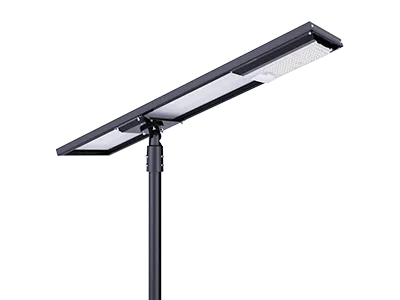
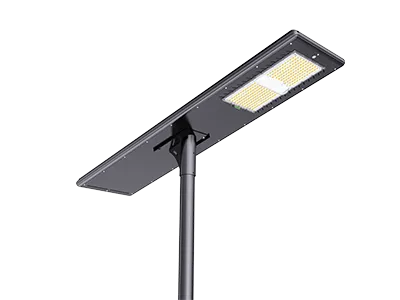
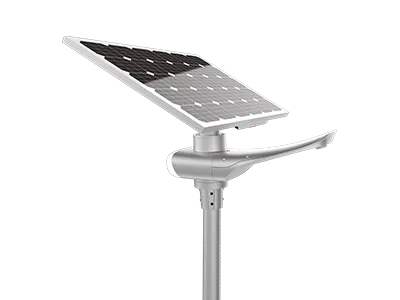
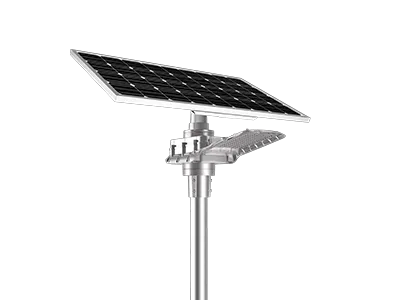
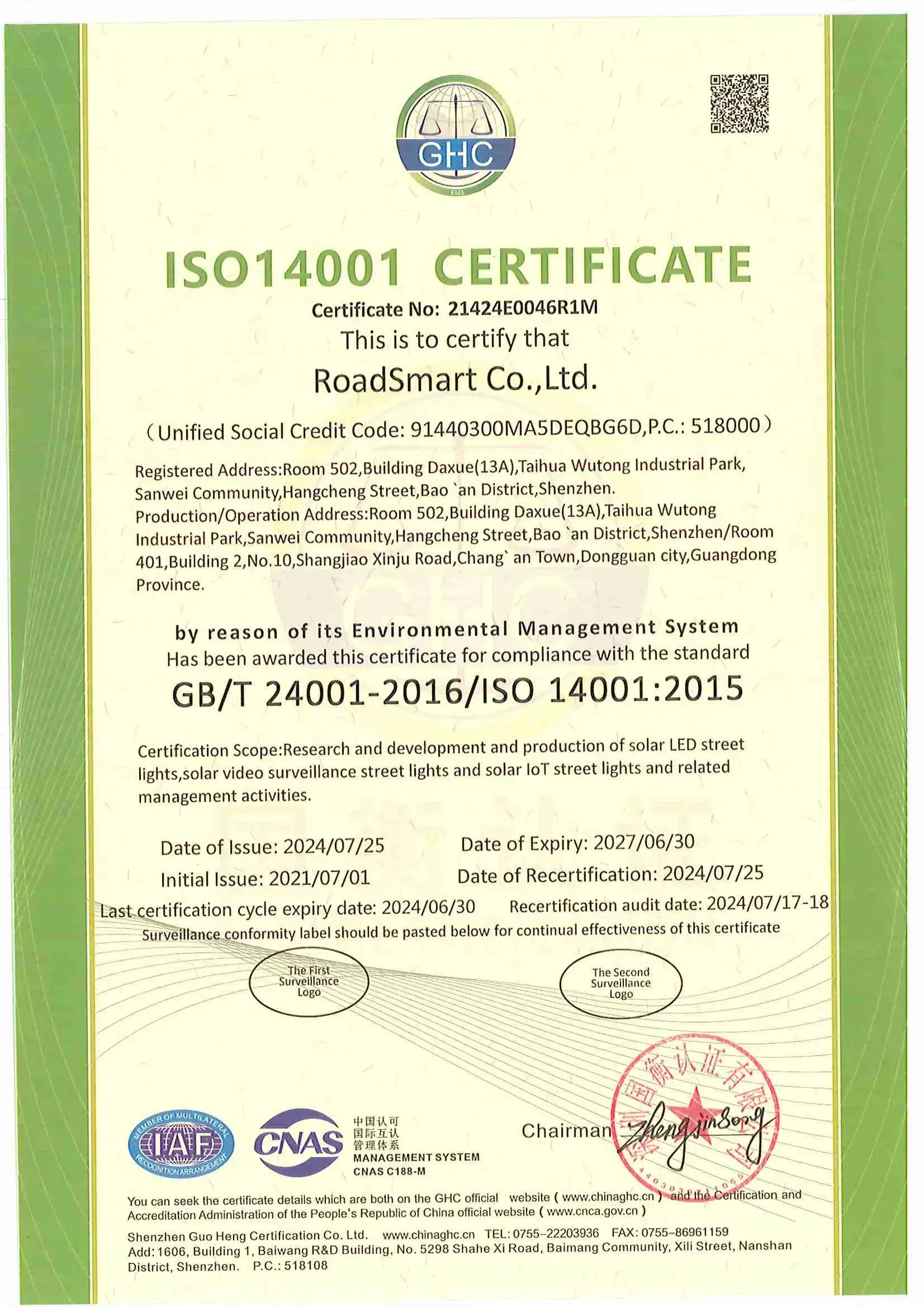
RoadSmart Intelligent Solar Street Lights
Smart commercial, outdoor, and municipal solar lighting solutions with IoT integration.
10 Core Technologies, 3‰ Failure Rate
Our products are deployed in 120+ countries and continue to perform reliably. RoadSmart leads the solar lighting industry—lighting the world with smart innovation.

Multi-peak MPPT
The 3.2V MPPT reduces battery failure rate by 75% than that of 12V system, effectively improved the overall product stability and lifetime 3 times.

ICD Technology
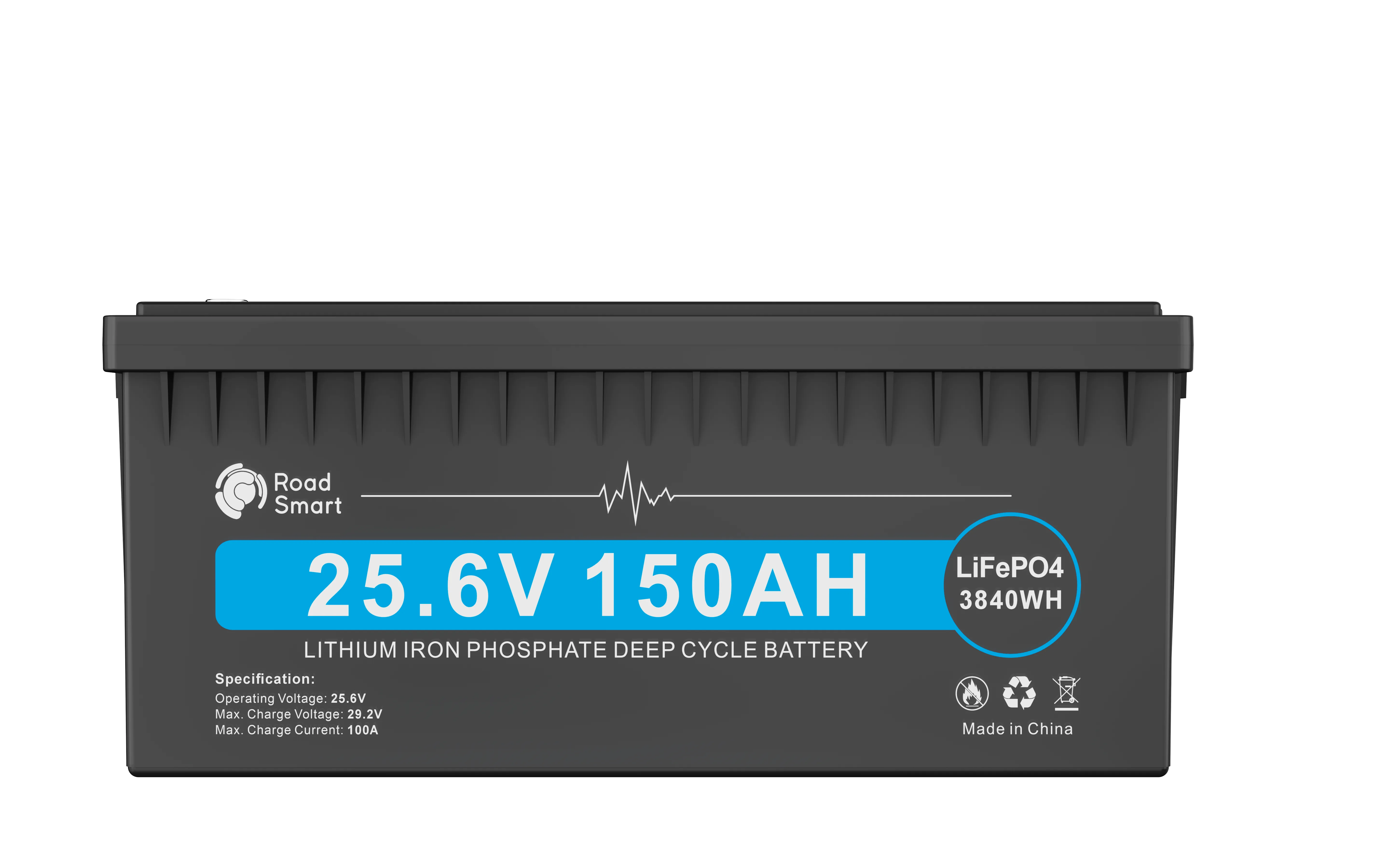
Only 10% Power loss after 2,000 cycles of charging and discharging, with a lifespan up to 4 times longer than lead-acid batteries.

Robust Design
Not afraid of weather changes and their impacts, on account of lP66 protection grade and working temperature from -20℃ to 60 ℃

ODM Service
Customize solar street lights, by adjusting structure, parameters and appearance to meet diversified needs, almost turnkey solutions.
About Us
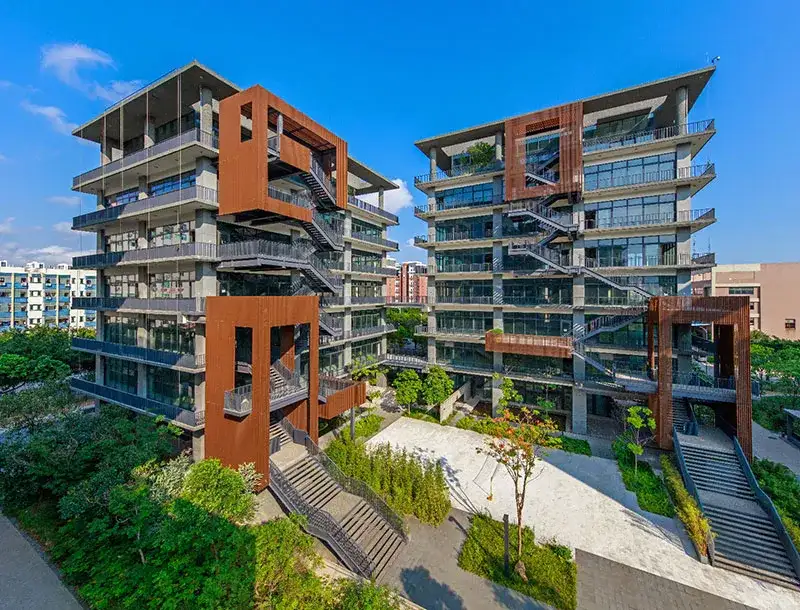
RoadSmart is a high-tech enterprise dedicated to intelligent solar street light, providing excellent intelligent solar light solutions. Can provied ODM service, IOT system and AC hybrid system optical. The company integrates R&D, production, sales and services, forming a strong capability in photovoltaic technology. The product have been applied to more than 120 countries, and they are working well till now. RoadSmart leading the solar lighting industry, lighting up the world with wisdom.
View RangeIntelligent Solar Street Light Solutions
RoadSmart's Intelligent Solar Street Lights guarantee 7-days rainy cloudy days operation with multi-peak MPPT patent technology, proven through numerous coastal and places with poor lighting installations like Poland and Netherlands.
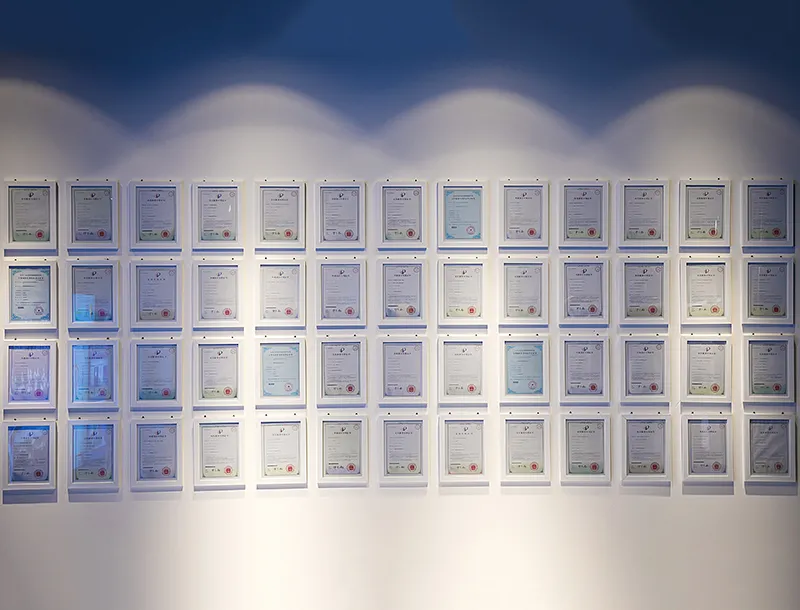
With 250+ proprietary innovations including salt-resistant alloys, we delivering infrastructure-grade lighting where traditional grids fail.
Get in touch
We can help you to find the best solution for your needs.
Please fill in the form below and our team will get in touch with you to discuss your needs in more detail.
News
Knowledge
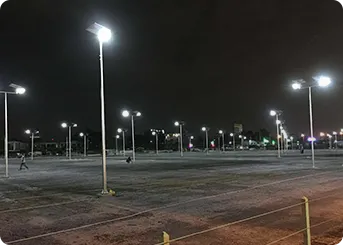
Ultimate Guide to Parking Lot Lights Well–planned parking-lot lighting improves safety, reduces liability, guides drivers and pedestrians, and protects nearby neighborhoods from glare and light trespass. Today's market is dominated by LED parking lot light fixtures and fast-growing solar parking lot lights that deliver high efficacy, smart controls, and long service life. This guide walks you through every major decision, from selecting outdoor parking lot lights and poles, to photometric design, controls, installation, codes, and maintenance—so you can specify or buy with confidence.Parking-lot Lighting TermsYou'll see multiple phrases used interchangeably online. They're not quite the same:Lamps are replaceable sources (e.g., HID bulbs or screw-in LEDs). Today, most sites specify integrated LED parking lot light fixtures—complete luminaires with permanent LED boards, engineered optics, and sealed drivers. For new builds or serious retrofits, choose commercial grade solar lights fixtures over screw-ins to gain superior photometrics, durability, controls readiness, and stronger warranties.Solar Powered Parking Lot LightsAvailable as all-in-one or split designs, these systems pair PV panel(s), an MPPT controller, LiFePO₄ battery, and an LED luminaire on a pole. They eliminate trenching and utility bills, install quickly, and anchor modern commercial solar lighting for parking lots—with motion-adaptive profiles that extend nightly autonomy in low-sun conditions.What Performance Actually MattersWhen comparing parking lot lamps and fixtures, firstly look beyond watts.Delivered Lumen Output & EfficacySpecify the usable luminaire lumens and overall efficiency so target illuminance is met with the smallest practical PV and battery set. Higher efficacy lowers solar sizing, weight, and lifecycle cost.IES Photometric DistributionSelect Type II–V optics matched to road geometry and pole spacing to deliver predictable coverage at level aim. Proper distributions reduce fixture count and avoid tilting that can increase glare.Pavement & Vertical UniformityDesign for balanced avg:min on the pavement and adequate vertical illuminance near walkways and cameras. Good uniformity eliminates hotspots and dark patches, improving safety and visibility.Color Quality (CCT & CRI)Choose CCT appropriate to context (e.g., residential, campus, arterial) and CRI sufficient for identification and camera clarity. Balanced color choices enhance comfort without raising glare.Glare Management & BUG ComplianceUse cut-off lensing, low high-angle intensity, and perimeter shields to meet local BUG/trespass limits and dark-sky goals. Controlled optics keep light where it’s needed and neighbors satisfied.Environmental Sealing & Surge ProtectionSpecify outdoor-rated housings with UV-stable lenses, corrosion-resistant finishes, and robust surge immunity for reliable field life. Durable construction preserves output and reduces service visits.Controls & Smart ReadinessInclude photocell, dimming, and motion profiles as standard, with optional IoT nodes for grouping, scheduling, telemetry, and alerts. Adaptive control extends nightly autonomy and simplifies fleet management.For solar powered parking lot lights, also evaluate right-size the PV array and use an MPPT controller with multi-peak tracking to sustain harvest under partial shading or soiling. Select Grade-A LiFePO4 batteries and size capacity to worst-month irradiance and the required autonomy, typically 3–5 nights. Finally, program bi-level, motion-responsive profiles to extend runtime in cloudy seasons and reduce battery stress.Fixture Families for Parking Areasa) Pole-mounted area luminaires (rectangular heads)The backbone for most commercial parking lot lighting. Available with multiple distributions, lumen packages, and mounts (slipfitter, arm, trunnion, tenon).b) FloodlightsUseful to “fill” corners and facades or aim at drive entries. Choose cut-off optics to control spill.c) Wall packs / building-mountedLight perimeters and walkways along building edges. Full cut-off, shielded optics help reduce trespass.d) Post-topsDecorative poles for campus, mixed-use, and pedestrian plazas. Specify versions with internal glare control and well-defined cut-off.e) Canopy & garage luminairesFor covered parking structures: symmetric low-glare optics, integrated motion sensors, and high CRI for cameras.f) Solar parking lot lightsAll-in-one, integratedor split types. Great where trenching is expensive, power is unavailable, or sustainability targets are central.Relation between Poles, Foundations and WindThe best luminaire fails if the pole isn't engineered for your site.Heights: 4–12 m (12–40 ft) common. Higher poles reduce pole count but may raise glare if lenses aren't shielded.Materials: powder-coated galvanized steel (most common), aluminum (corrosion-resistant, lighter), or fiberglass (non-conductive, coastal).EPA / wind load: Work with stamped calculations. Include the effective projected area of luminaires, brackets, banners, and for solar systems: PV panels.Foundations: Anchor-bolt cages and concrete bases sized to soil and wind. Respect embedment depths and bolt patterns.Corrosion: Coastal zones benefit from hot-dip galvanizing + marine-grade coatings or aluminum with robust finishes. Add base covers to reduce splashback corrosion.Color temperature, CRI, and Visual ComfortCCT: 3000K for residential adjacency and dark-sky ordinances; 4000K a balanced “neutral white”; 5000K for crisp visibility and cameras in higher-security areas.CRI: 70–80 is typical in lots; 80+ improves color recognition (beneficial for security and retail environments).Glare: Choose optics that control high-angle brightness, add shields where needed, and avoid tilting heads above level unless photometrics demand it.Off grid vs on grid solar: which is right for your site?HybridGrid + solar as a resilience or peak-shave strategy; or grid-assist solar for sites with occasional long cloudy spellsWhen evaluating commercial solar lighting for parking lots, ask vendors for:Worst-month energy model (sun hours, derates, autonomy nights)Battery chemistry (Grade-A LiFePO₄ recommended), cycles, and serviceabilityController specs (true MPPT, multi-peak tracking, protections)Wind load and structural details with PV consideredGrid-tied LEDHighest lumen density per pole; no autonomy limitsBest for shaded sites or dense urban canyonsRequires trenching, switchgear, and monthly utility billsSolar parking lot lights (all-in-one or split types)Zero trenching and no energy bills; rapid deploymentIdeal for remote lots, new developments, campuses, parks, and ESG-driven projectsDesign drivers: worst-month sun hours, shading, PV area, battery capacity, control profilesParking lot solar lighting works best with motion-adaptive dimming and proper panel orientation/tiltHow to design a parking-lot layoutSet goals & constraintsSafety level, camera coverage, light-trespass limits, dark-sky objectives, aesthetics, budget, schedule.Survey the siteMeasure lot dimensions, drive aisles, landscaped islands, building edges, and property lines. Note utility routes, shading (trees, structures), and prevailing winds (for PV).Pick pole height & distributionStart with 6–9 m (20–30 ft) for most retail/campus lots. Select Type II/III for rows, Type IV for perimeter throws, and Type V for central islands.Select commercial grade LED parking lot lightsChoose lumen packages to hit the target average illuminance and good uniformity with minimal glare. Confirm IP/IK, surge, and control readiness.Photometric studyRun point-by-point calculations (Dialux/AGi32) for horizontal and key vertical planes, refine pole locations, and add shields where property lines or windows are sensitive.Glare & BUG checkEnsure fixture BUG ratings and high-angle luminance meet ordinances.Controls planPhotocell + dimming schedules + motion zones. For solar powered parking lot lights, tune profiles for seasonality.Neighbor & wildlife considerationsLower CCT near residences; amber or filtered options in wildlife corridors as required by code.Finalize pole, base, and finishConfirm EPA at worst wind speed; specify coatings for corrosion; anchor-bolt templates and bolt circle.Retrofitting HID to LED Solar Street LightModernizing from HID to LED cuts power while maintaining or improving actual illumination. Replace 250–1000 W HID heads with ~80–350 W commercial-grade LED fixtures to gain engineered optics, sealed drivers with surge protection, and unified warranties. Opt for full-fixture upgrades rather than lamp-only swaps, and check rebate eligibility (often DLC-linked); adding networked controls (scheduling, dimming, monitoring) can unlock additional incentives and operational savings.When stepping from LED to solar, target off-grid autonomy and total-cost advantages. Convert rows or entire sites to solar powered parking lot lights to avoid trenching, meters, and monthly utility charges, and to accelerate deployment. For split-type systems, position PV modules in the best sun; for all-in-one units, set proper tilt/azimuth and mitigate shading. Evaluate decisions on life-cycle economics—not unit price—to capture long-term resilience and OPEX benefits.Installation & commissioning checklistBefore deliveryVerify pole base locations, conduit stubs (if grid), and bolt circles.AssemblyTorque anchor nuts to spec; plumb poles.Mount brackets/tenons and luminaires; set level aim (avoid tilt unless photometrics call for it).For solar: mount panels securely, confirm tilt and azimuth, connect color-keyed harnesses with waterproof plugs.Electrical / controlsConfirm line voltage, ground, and surge modules.Install photocells or control nodes; enroll networked controls (grouping, schedules).For solar: commission controller profiles (standby level, motion sensitivity, seasonal profiles).TestWalk the lot at night; verify uniformity, hotspots, glare at entrances, and shield effectiveness.Check property-line illuminance.Maintenance planClean lenses & sensors (annually or as environment dictates).Inspect gaskets, powder coat, and fasteners; replace cracked lenses or seals.Check drivers & surge modules during scheduled visits; swap before failure in critical sites.Controls health – verify nodes report; update firmware.For solar parking lot lights: panel cleaning, connector checks, and periodic battery health assessment; plan a mid-life battery refresh based on cycles and climate.Sustainability and dark-sky practicesChoose optics with U0 uplight where feasible; specify shielding on perimeters.Consider 3000K near homes and in dark-sky communities.Use motion-adaptive dimming to cut energy and nighttime sky glow.Solar systems provide measurable carbon reductions—use dashboards to report ESG metrics.Procurement & specification checklistWhen soliciting quotes or writing a spec for commercial parking lot lights or commercial solar lighting for parking lots, include:Lumens & distributions (Type II–V), photometric files (IES), and target levelsCCT & CRI; dark-sky/BUG requirements, glare limitsEfficacy (lm/W), driver type, THD/Power FactorIP/IK ratings; 10–20 kV surgeMounting type (arm/tenon/slipfitter), tilt limits, and accessory shieldsControls: 0–10V or D4i; NEMA/ Zhaga receptacle; photocells/motion nodesWarranty (5–10 years); DLC/UL listings and required certificationsPoles: height, material, base plates, anchor bolts, EPA at design wind speed, coating systemFor solar: PV watts, MPPT controller features, battery chemistry/capacity/cycles, autonomy nights, worst-month model, structural calcs with PVCommon mistakesSpecifying Watts Instead of Light Output & OpticsDon't size by wattage alone. Specify lumens and the correct distribution type (II–V) to avoid over/under-lighting and patchy uniformity.Overlooking Glare and Light TrespassControl high-angle brightness with low-glare optics, keep heads level (lower tilt), add shields, and use perimeter-friendly distributions.Ignoring Vertical IlluminanceDesign for more than pavement lux. Provide vertical light near pedestrian routes and cameras to improve recognition and safety.Under-Sizing Solar or Ignoring ShadeModel to worst-month sun hours with margin, mitigate shading, and apply adaptive profiles to maintain autonomy through cloudy periods.No Wind (EPA) Accounting for PolesPoles fail first when EPA is wrong. Include luminaires, brackets, banners, signage, and PV in the wind calculation and use stamped designs.Skipping a Controls StrategyRunning at 100% all night wastes energy and raises complaints. Add photocells, curfews, and motion zones (bi-level dimming) to match real usage.Example layoutsRetail pad (small lot):6–8 m (20–26 ft) poles along the perimeter, Type III distributions throwing inward; one or two central poles Type V to even the middle.4000K, low glare optics, photocell + motion dimming late night.Campus block lot:9–10 m poles on islands, Type V or VS in center rows, Type III on edges.3000–4000K depending on neighborhood, networked controls with curfews.Solar cluster (remote lot):6–8 m solar powered parking lot lights, bi-level profiles (20–30% standby; 100% on motion), panels oriented for best sun.Ensure PV clear of trees/buildings; verify autonomy for the rainy season.Frequently asked questionsQ1: What's the difference between LED parking lot lamps and LED parking lot light fixtures?Lamps are replaceable sources; fixtures are integrated luminaires with boards, optics, driver, and housing. New parking lots should use commercial grade LED parking lot lights (integrated fixtures) for optics, reliability, and warranty.Q2: What color temperature should I choose?4000K is a balanced default for many outdoor parking lot lights. Use 3000K near residences/dark-sky zones; 5000K where maximum visual acuity and camera performance are priorities.Q3: How tall should poles be?Commonly 6–10 m (20–33 ft). Taller poles mean fewer poles and better spacing but require tighter optical control to minimize glare. Match height to lot size and distribution.Q4: Are solar parking lot lights bright enough?Yes—when properly sized for worst-month sun, with MPPT controllers, high-efficiency LEDs, and motion-adaptive profiles. Poorly sized systems (or shaded panels) underperform.Q5: What's the payoff moving from HID to LED?Energy drops 50–75% with reduced maintenance. With controls, savings improve further. Typical payback is a few years, often faster with rebates.Q6: Can I mix grid-tied and solar lighting in the same lot?Absolutely. Many sites use grid luminaires in high-activity cores and parking lot solar lighting on perimeters, outparcels, or new expansions where trenching is costly.Q7: Do I need networked controls?Not always—but photocells plus scheduled dimming are a must. Networked controls add asset tracking, fault alerts, and energy analytics, and may unlock additional utility incentives.Q8: What about wind and storms?Specify poles and brackets with stamped EPA/wind calculations. In lightning-prone regions, add higher surge protection (20 kV). For solar parking lot lights, ensure panel mounting and hardware meet wind-load requirements.Q9: How long do batteries in solar systems last?Quality LiFePO₄ packs typically provide several thousand cycles. Life depends on climate, depth of discharge, and controller strategy. Plan and budget a mid-life battery refresh.Q10: Can I use warm light and still meet safety goals?Yes—use good uniformity and sufficient average illuminance. Warm CCT reduces perceived glare; couple it with optics that control high-angle brightness.Q11: Are there wildlife or dark-sky restrictions?Many municipalities limit CCT and uplight. Use low-uplight optics, shielding, curfews, and appropriate CCT. Coastal/wildlife areas may require amber or filtered sources.Q12: What makes a luminaire“commercial grade”?High-quality LEDs and drivers, robust thermal design, real surge protection, outdoor-rated gaskets and finishes, tested optics, listings (UL/DLC), controls readiness, and a strong warranty—all hallmarks of commercial grade LED parking lot lights.Putting it all togetherChoosing and deploying the right parking lot lights is part art and part science. Start with safety and code goals, select parking lot lighting fixtures that deliver the required light with low glare, engineer poles that survive your wind and climate, and add controls that respect neighbors and save energy. Where power is scarce or sustainability is paramount, solar powered parking lot lights and broader commercial solar lighting for parking lots provide a trench-free path with long-term OPEX savings. With a solid maintenance plan and smart controls, your lot will be safer, easier to navigate, and far less costly to run.If you'd like a specification checklist or a quick photometric concept for your site, share the lot dimensions, mounting heights, and any constraints. So that I can draft a starter layout and control strategy tailored to your project.View Detail
Knowledge
Solar Street Lights Explained 2026 What is Solar Street Light?A solar street light is an outdoor lighting system that uses solar energy to power the light fixture. Unlike traditional street lighting that is powered by electricity from the grid, solar street lights harness energy from the sun during the day through photovoltaic (PV) panels. This energy is stored in a battery and used to power the light at night. Solar street lights are self-sufficient, off-grid systems that are becoming more popular in urban, rural, and remote areas due to their energy efficiency and cost-effectiveness. They provide lighting without the need for trenching, utility bills, or grid access, making them an ideal solution for sustainable urban development.Typically, a solar street light consists of three main components: a solar panel, a battery, and a LED light fixture. These components work together to ensure efficient energy harvesting, storage, and lighting performance throughout the night. Solar street lights are available in different configurations, including all-in-one designs and split-type systems, offering flexibility in installation based on environmental factors and site conditions.How Solar Street Lights WorkThe operation of a solar street light follows a simple, efficient process. Here's how the system works:Energy Harvesting: During the day, the solar panel absorbs sunlight and converts it into electricity. The PV panel typically faces the south (in the Northern Hemisphere) or north (in the Southern Hemisphere) for optimal sunlight exposure. The amount of sunlight captured depends on factors such as weather conditions, shading, and the angle of the panel.Energy Storage: The electricity generated by the solar panel is directed to a battery for storage. In most cases, LiFePO4 (Lithium Iron Phosphate) batteries are used due to their superior safety, longevity, and efficiency compared to other battery chemistries. These batteries store the energy collected during the day, ensuring the light is powered during the night.Energy Distribution: As the sun sets, the controller detects the ambient light levels and switches the light on automatically. The stored energy is then used to power the LED light fixture, which is the primary light source. The system often includes MPPT (Maximum Power Point Tracking) technology to optimize energy conversion from the solar panel to the battery, ensuring maximum efficiency, even under partial shading or variable sunlight.Lighting Control and Efficiency: Many modern solar street lights come equipped with adaptive motion sensors or dimming controls to further conserve energy. For example, the light may dim when no movement is detected and return to full brightness when motion is sensed. This enhances energy efficiency and extends the battery life.Solar Street Light Benefits1.Energy Savings and Sustainability:One of the biggest advantages of solar street lights is their energy independence. Since they run on solar power, they eliminate electricity bills entirely. The energy captured from the sun is free and abundant, reducing the reliance on grid-based electricity. Additionally, solar street lights contribute to sustainability by reducing carbon emissions and supporting the global transition to clean energy.2. Low Maintenance:Solar street lights have minimal moving parts, which significantly reduces the need for frequent maintenance. With LiFePO4 batteries offering longer life cycles and MPPT controllers optimizing energy efficiency, these systems require only periodic cleaning of panels and lens adjustments. The absence of cables and wiring also reduces the risk of wear and tear, lowering maintenance costs.3. Reliability and Resilience:Unlike grid-powered systems, solar street lights continue to operate during power outages. They are also highly durable and can withstand harsh weather conditions such as extreme heat, cold, rain, or snow, especially when equipped with IP-rated enclosures and surge protection. Solar street lights are an excellent option for areas prone to electrical grid disruptions or remote locations without grid access.4. Fast and Easy Installation:Installation of solar street lights is quick and easy since it does not require digging trenches or laying down cables. The system is completely independent, so once the poles are set in place and the solar panels are positioned, the light can start operating without complicated electrical work. This also reduces civil work costs and installation time, making it a more economical solution.5. Flexible Deployment:Solar street lights can be installed virtually anywhere, including areas without access to the electrical grid. This flexibility makes them suitable for use in rural roads, highways, parking lots, parks, residential areas, and even emergency routes.Solar Street Light Applications1.Municipal and Urban Roads:Solar street lights are increasingly used in municipal areas to light streets and roads, especially in cities focusing on green urban planning. These lights help cities meet sustainability goals by using renewable energy to power public infrastructure. Solar street lights are ideal for both main roads and side streets where electricity access may be expensive or logistically challenging.2. Rural Roads and Highways:In rural areas or on highways where the cost of extending grid power is high, solar street lights offer an affordable, reliable solution. By placing solar-powered lighting systems along these routes, municipalities can improve safety for drivers and pedestrians without relying on costly infrastructure.3. Parks and Public Spaces:Public parks and open spaces benefit from solar street lighting due to its ability to provide secure and environmentally friendly lighting. Solar-powered lights illuminate pathways, playgrounds, and recreational areas without the need for external power sources, contributing to a safer and more enjoyable outdoor experience.4. Parking Lots and Campuses:Solar street lights are also ideal for parking lots, campus grounds, and shopping centers. They provide illumination at night to enhance security while ensuring energy savings. Motion-detection features can be employed to boost light output during busy periods while conserving energy during quieter hours.5. Remote and Off-Grid Locations:Solar street lights can be deployed in remote locations or off-grid areas, such as villages, industrial sites, or construction zones, where grid power infrastructure is either unavailable or too expensive to install. With solar lighting, these areas can receive reliable, sustainable lighting at a fraction of the cost of grid-connected systems. See full solar street lighting solutions.Solar Powered Street Lights vs LED Grid Light1.Power Source:Grid-connected LEDs rely on electricity from the power grid, which can be expensive and is subject to outages or restrictions. In contrast, solar street lights are powered by renewable solar energy, which reduces operational costs and eliminates electricity bills.2. Installation Cost and Complexity:Installing grid-powered LEDs often involves costly civil works such as trenching, wiring, and switchgear. Solar street lights, especially all-in-one designs, require minimal installation time and no underground wiring, resulting in lower installation costs.3. Maintenance:Grid-connected lights typically require more frequent maintenance, especially when dealing with power outages, faulty wiring, or broken switches. Solar lights, on the other hand, have low maintenance requirements and long-lasting components, making them a more cost-effective long-term solution.4. Environmental Impact:Solar street lights are more environmentally friendly as they produce no CO2 emissions and rely on renewable energy. Grid-connected lights, though efficient, still contribute to the carbon footprint, especially in areas where power is generated from fossil fuels.Solar Street Light ComponentsThe key components of a solar street light are designed to work together seamlessly for reliable performance. Here's a breakdown of each:Photovoltaic (PV) Panel:The PV panel absorbs sunlight during the day and converts it into electrical energy. The efficiency of the panel is crucial for the overall performance of the system, as it determines how much energy is captured and stored in the battery.Battery:The battery stores the energy generated by the PV panel. Common battery types include LiFePO4 (Lithium Iron Phosphate), which offers longer life cycles, better temperature tolerance, and higher efficiency compared to other battery types like lead-acid batteries.Charge Controller:The charge controller regulates the power flow between the PV panel, battery, and light fixture, ensuring the battery is properly charged while preventing overcharging or deep discharging. MPPT (Maximum Power Point Tracking) controllers enhance energy capture, even under suboptimal conditions like partial shading or dirt buildup.LED Light Fixture:The LED fixture provides efficient and high-quality lighting output. LED lights are known for their longevity and low energy consumption. The fixture is typically designed to provide optimal brightness and beam distribution for the application at hand.Mounting and Pole Structure:The pole and mounting system support the PV panel, battery, and LED fixture. These systems are designed to be sturdy and resistant to weather conditions such as wind and rain, ensuring long-term durability.Optional IoT and Sensors:Some modern solar street lights include Internet of Things (IoT) capabilities for remote monitoring and control. Motion sensors or adaptive dimming can be included for added energy efficiency, ensuring the light adjusts to real-time environmental and traffic conditions.ConclusionSolar street lights offer a powerful, sustainable solution for outdoor illumination in a variety of settings. With benefits like zero electricity bills, low maintenance, reliable performance, and environmental sustainability, they are increasingly being adopted worldwide. Whether in urban streets, rural roads, or public parks, solar street lights provide a cost-effective, eco-friendly way to enhance safety and lighting quality. As technology advances, solar street lights will continue to lead the way in the future of street lighting, especially with the integration of smart controls, IoT, and advanced energy management systems.View Detail
Knowledge
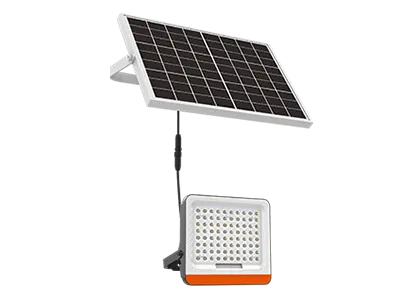
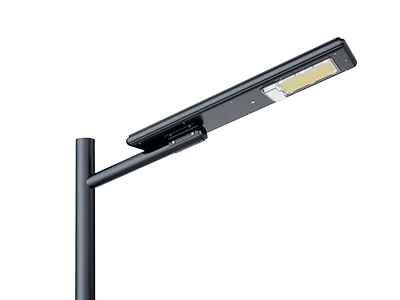
What Are the Different Types of Solar Street Lights? A Complete Buyer's Guide from a Solar Street Light Manufacturer. As cities, infrastructure developers, and energy planners worldwide accelerate the transition to renewable energy, solar street lights have become a core solution for outdoor lighting projects. From highways and industrial parks to rural roads and smart cities, solar-powered street lighting delivers energy independence, lower operating costs, and rapid deployment. However, one of the most common questions buyers may ask is that:“What are the different types of solar street lights, and which one is right for my project?”This pillar guide answers that question in depth. As a professional solar street light manufacturer, we will break down all major types of solar street lights, explain their structures, applications, advantages, and limitations, and help procurement teams, distributors, and project owners make confident purchasing decisions.Table of ContentsWhat Is a Solar Street Light?Why Understanding Solar Street Light Types Matters for BuyersClassification by System StructureAll-in-One Solar Street LightsIntegrated Solar Street LightSplit Solar Street LightsSolar Garden Street LampsSplit Type Solar Street LightWhy Work Directly with a Solar Street Light ManufacturerSolar Street Light Wholesale vs. Project CustomizationFAQs from Global BuyersFinal Thoughts & B2B CTAWhat Is a Solar Street Lighting?A solar street lighting is an outdoor lighting system powered entirely by solar energy. Unlike conventional grid-powered lights, it operates independently using energy generated from sunlight during the day and stored in batteries for nighttime illumination.Core Components:Street light solar panelLight source (LED chip)Rechargeable battery (Lithium / LiFePO4)Solar street light controllerLight pole & mounting structureModern systems are designed for high efficiency, long lifespan, and minimal maintenance, making them ideal for both developed and emerging markets.Why Understanding Solar Street Light Types Matters for BuyersNot all solar street lights are the same.From a procurement and ROI perspective, choosing the wrong type can lead to:Insufficient lightingBattery failurePoor performance in rainy seasonsOverpaying for unnecessary featuresProfessional solar street light suppliers always begin with one key step, that's matching the system type to the application environment.Classification by System StructureSolar street lights can be classified by system structure, which directly affects installation complexity, performance stability, scalability, and long-term maintenance cost.As a professional solar street light manufacturer, Roadsmart typically divides solar street lighting systems into the following five categories:All-in-One Solar Street LightAll-in-One solar street lights integrate the solar panel, LED lamp, lithium battery, and controller into a single compact unit.Integrated Solar Street LightIntegrated solar street lights are an upgraded evolution of all-in-one systems, designed with enhanced structural balance, improved heat dissipation, and higher lighting efficiency.Split Type Solar Street LightSplit type solar street lights separate the major components: the solar panel, LED lamp, battery, and controller are installed independently.Solar Garden Street LampsSolar garden street lamps focus on aesthetic design combined with functional lighting, making them ideal for landscape and pedestrian environments.MPPT Solar Pole Street LightMPPT Solar Pole Street Lights are advanced systems that integrate MPPT (Maximum Power Point Tracking) controllers directly into the pole-mounted solar lighting solution.Solar Street Light Types by System StructureTypeSystem StructureKey AdvantagesLimitationsBest-Fit ApplicationsBuyer RecommendationAll-in-One Solar Street LightSolar panel, battery, controller, and LED integrated into one unit• Fast installation• No wiring• Low labor cost• Clean appearance• Fixed panel angle• Limited power scalabilityResidential roads, parking lots, pathways, community projectsIdeal for standard projects, distributors, and solar street light wholesale ordersIntegrated Solar Street LightOptimized integrated structure with improved heat dissipation• Higher lighting efficiency• Longer battery lifespan• Better thermal management• Slightly higher cost than basic all-in-oneUrban streets, commercial zones, municipal upgradesBest choice for cities balancing performance and aestheticsSplit Type Solar Street LightSolar panel, battery, controller, and LED installed separately• Adjustable panel angle• High power options• Longer system lifespan• More complex installation• Higher initial costHighways, industrial parks, government & EPC projectsRecommended for large-scale infrastructure and professional engineering projectsSolar Garden Street LampsDecorative lamp body with compact solar system• Aesthetic design• Easy installation• Eco-friendly• Lower power output• Limited road coverageParks, gardens, villas, resorts, walkwaysBest for landscape lighting and decorative outdoor spacesMPPT Solar Pole Street LightPole-integrated system with MPPT charge controller• 20–30% higher charging efficiency• Strong performance in low sunlight• Higher system complexity• Higher unit costCloudy regions, high latitudes, long rainy seasonsIdeal for projects requiring maximum energy efficiency and reliabilityProducts Comparative Analysis FormWhy Work Directly with a Solar Street Light ManufacturerFor B2B buyers, choosing who you buy from is just as important as choosing which type of solar street light.Working directly with a professional solar street light manufacturer, rather than a trading company or reseller, provides significant long-term advantages.Factory-Level Cost ControlA manufacturer-owned solar street light factory controls raw material sourcing, production, and quality inspection. This allows buyers to:Avoid unnecessary middleman marginsAchieve more competitive pricing on large ordersMaintain price stability for long-term projectsThis is especially important for government tenders, EPC contractors, and distributors handling repeat purchases.Customization & Engineering SupportUnlike generic suppliers, a real manufacturer offers:Customized solar panel sizing based on local sunlight dataBattery autonomy design for rainy or cloudy regionsOptical lighting simulations (lux distribution & road standards)This ensures the selected system structure—whether all-in-one, integrated, split type, or MPPT pole light—actually performs as expected after installation.Consistent Quality & Long-Term SupplyDirect cooperation with a solar street light company ensures:Consistent product specifications across batchesStable quality control standardsReliable long-term supply for multi-phase projectsFor large-scale infrastructure projects, this consistency is critical.Solar Street Light Wholesale vs. Project-Based CustomizationDifferent buyers have different procurement models. Understanding the difference between solar street light wholesale and project customization helps optimize both cost and performance.Solar Street Light WholesaleWholesale purchasing focuses on:Standardized modelsFaster deliveryBulk pricing advantagesBest for:DistributorsImportersStock-based resellersStandard residential or commercial lighting projectsWholesale models are typically all-in-one or integrated solar street lights, designed for wide market compatibility.ConclusionUnderstanding the different types of solar street lights is not just a technical exercise, whereas it is a strategic decision that directly impacts project performance, operating cost, and long-term reliability.From all-in-one and integrated solar street lights designed for fast deployment, to split type systems and MPPT pole solar street lights built for demanding environments, each system structure serves a specific purpose. There is only the right configuration for the right application, instead of universal solution.View Detail
HopePower
Lithium Iron Phosphate Battery
Solar Star Light - Ⅱ
RSK Series
RSA Series
RSP Series
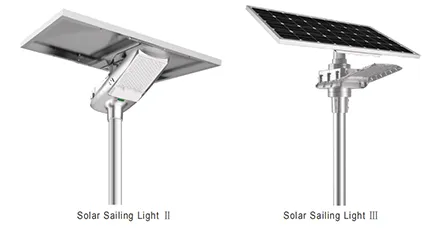
Solar Sailing Light Ⅱ
Solar Flyhorse Light
Solar Sailing Light Ⅲ
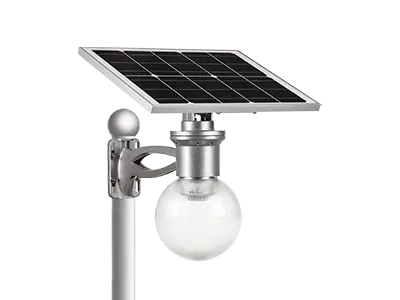
Solar Moon Light
Solar Street Light (YY series)
Solar Star Light HS
Solar Street Light (YH series)
RSK-40
Solar Beatle Light
SP series