The Ultimate Guide to Choosing Solar Street Lights in 2026
Mar 17, 2026
Read:26
Source: Roadsmart Solar
Solar street lighting is no longer a niche solution—it has become a mainstream infrastructure choice for cities, highways, industrial parks, and rural electrification projects. With rising energy costs and sustainability goals, more governments and businesses are turning to solar street lights outdoor to reduce long-term expenses and carbon emissions.
In this ultimate guide, you'll learn everything you need to know about selecting the right solar street lighting system, from technology and sizing to installation and supplier selection.
What Are Solar Street Lights?
Solar street lights are self-sustaining lighting systems. A typical solar street lighting system consists of four main components: a solar panel, a battery, an LED light, and a controller. The solar panel captures sunlight and converts it into electricity, while the battery stores this energy for use at night. The LED light provides efficient illumination, and the controller manages the overall system by regulating charging, discharging, and lighting schedules. These smart street lighting systems operate independently from the grid, making them ideal for remote areas and infrastructure projects.
As demand grows for sustainable infrastructure, solar street lights outdoor have become a preferred solution for projects seeking energy savings, easy installation, and long-term reliability.
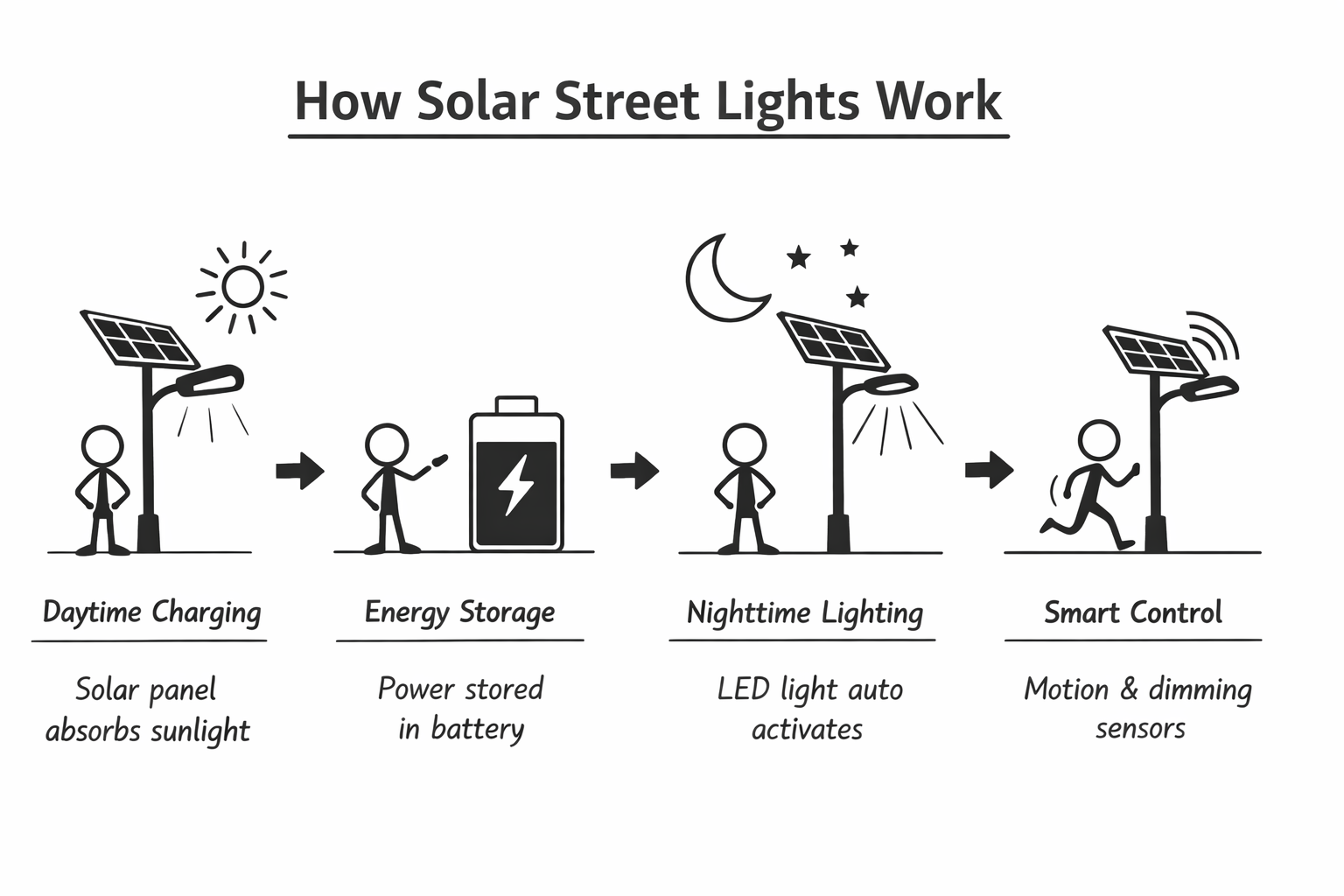
How Solar Street Lights Work
Solar street lights follow a simple but highly efficient cycle:
1. Daytime Charging
-
Solar panels absorb sunlight and convert it into electricity using photovoltaic technology.
-
Critical for energy generation and ensuring sufficient battery storage for nighttime operation.
2. Energy Storage
-
Electricity is stored in high-capacity batteries for later use.
-
Ensures reliable lighting even during cloudy days or consecutive nights with low sunlight.
3. Nighttime Lighting
-
The controller automatically activates the LED light when ambient light drops.
-
Provides consistent illumination for roads, highways, and outdoor areas without manual intervention.
4. Smart Control
-
Advanced systems include motion sensors, dimming, and adaptive brightness.
-
Optimizes energy usage, extends battery life, and ensures maximum efficiency for large-scale solar panel street light projects.
Types of Solar Street Lights
Understanding different types helps you choose the right system for your project.
1. All-in-One Solar Street Light
A compact, integrated unit where the solar panel, battery, LED, and controller are combined. Ideal for quick installation and small-to-medium projects. Provides efficient lighting with minimal maintenance.
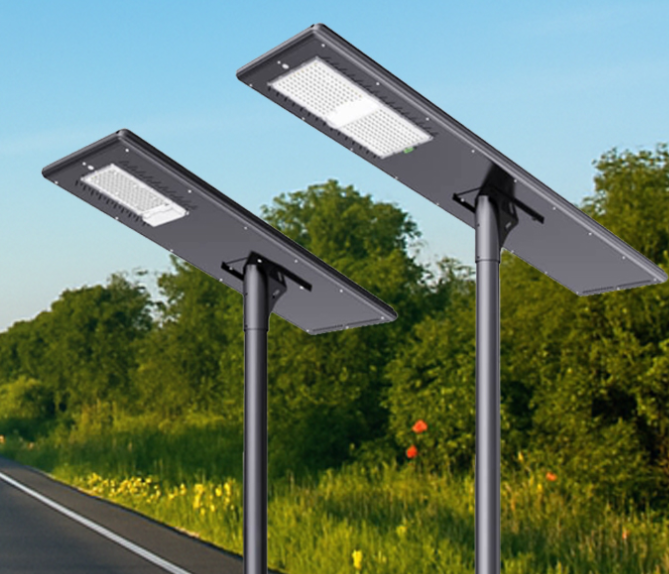
2. Integrated Solar Street Light
Designed with a sleek, all-in-one aesthetic for urban and modern outdoor applications. Combines high-efficiency LED lighting with advanced battery storage for reliable nighttime performance.
3. Split Type Solar Street Light
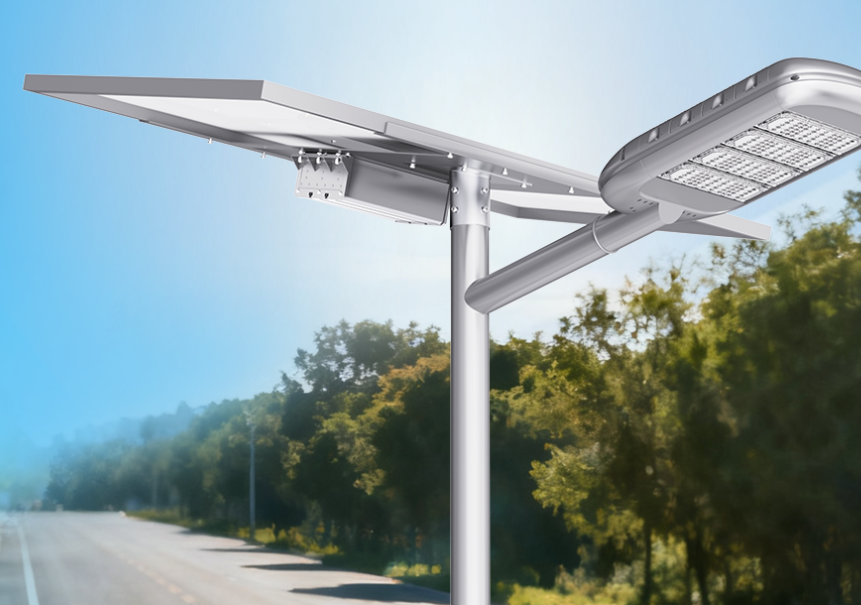
Features separate components (panel, battery, and LED) for larger-scale or high-power applications. Offers flexibility in installation and higher energy capacity, suitable for highways, industrial areas, and large infrastructure projects.
4. Solar Garden Street Lamps
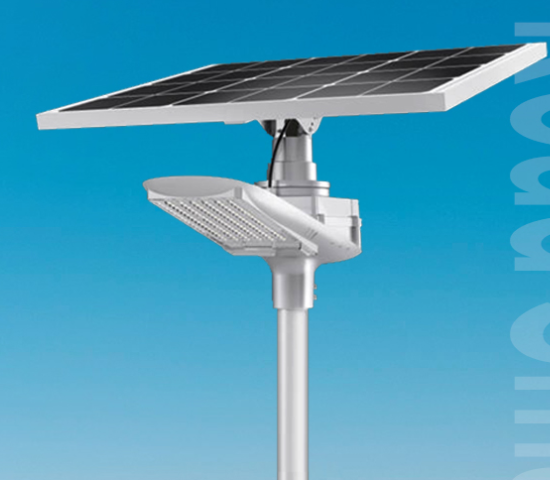
Decorative outdoor lighting designed for parks, gardens, and pathways. Combines aesthetic appeal with efficient solar-powered illumination, perfect for residential and public spaces.
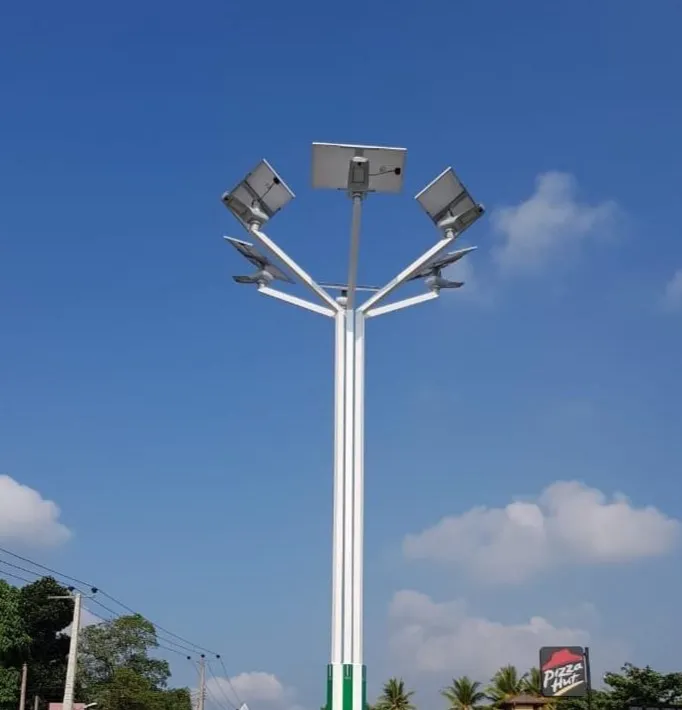
5. Solar Pole Street Light
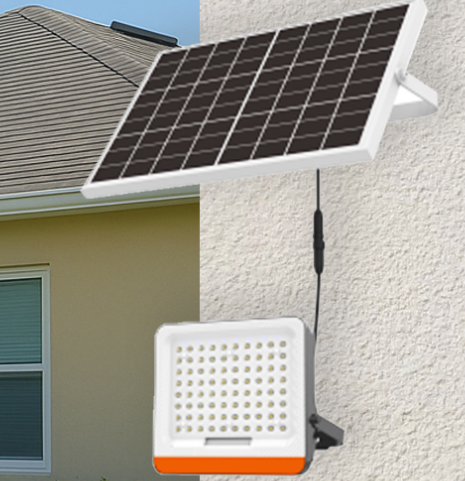
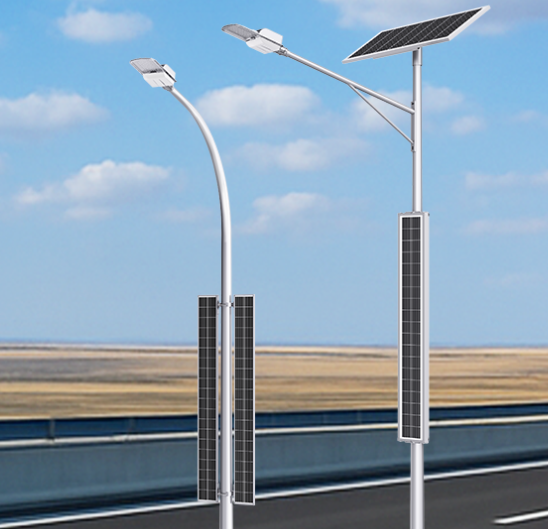
Traditional street light design with a dedicated pole for high-mounted illumination. Ideal for urban streets, highways, and parking lots, providing wide coverage and long-lasting performance.
Benefits of Solar Street Lights
The growing demand for solar lighting is driven by clear advantages.
Energy Savings
Solar lighting eliminates electricity bills, making it highly cost-effective over time.
Easy Installation
No trenching or cabling is required, simplifying solar street light installation.
Low Maintenance
Modern systems use long-life components like LED and lithium batteries.
Environmental Sustainability
Solar lighting reduces carbon emissions and supports green initiatives.
Reliable Off-Grid Lighting
Perfect for remote areas where grid power is unavailable.
Key Factors to Consider When Choosing Best Solar Street Lights
This is the most critical part of your decision-making process. We make a table for your faster reference.
| Factor | What to Evaluate | Recommended Standard | Why It Matters | Pro Tips |
|---|---|---|---|---|
| Lighting Performance | Lumens, beam angle, illumination coverage | 3000–12000 lumens depending on application | Determines visibility and safety for roads and public areas | Match lumen output with road width and pole height to avoid over/under-lighting |
| Battery Type & Lifespan | Battery chemistry and cycle life | LiFePO4 (5–10 years lifespan) | Affects system durability and maintenance cost | Avoid gel batteries for long-term projects; prioritize lithium-based solutions |
| Solar Panel Efficiency | Panel type and conversion rate | Monocrystalline (>20% efficiency) | Impacts charging speed and performance in cloudy weather | Larger panels improve reliability in low sunlight regions |
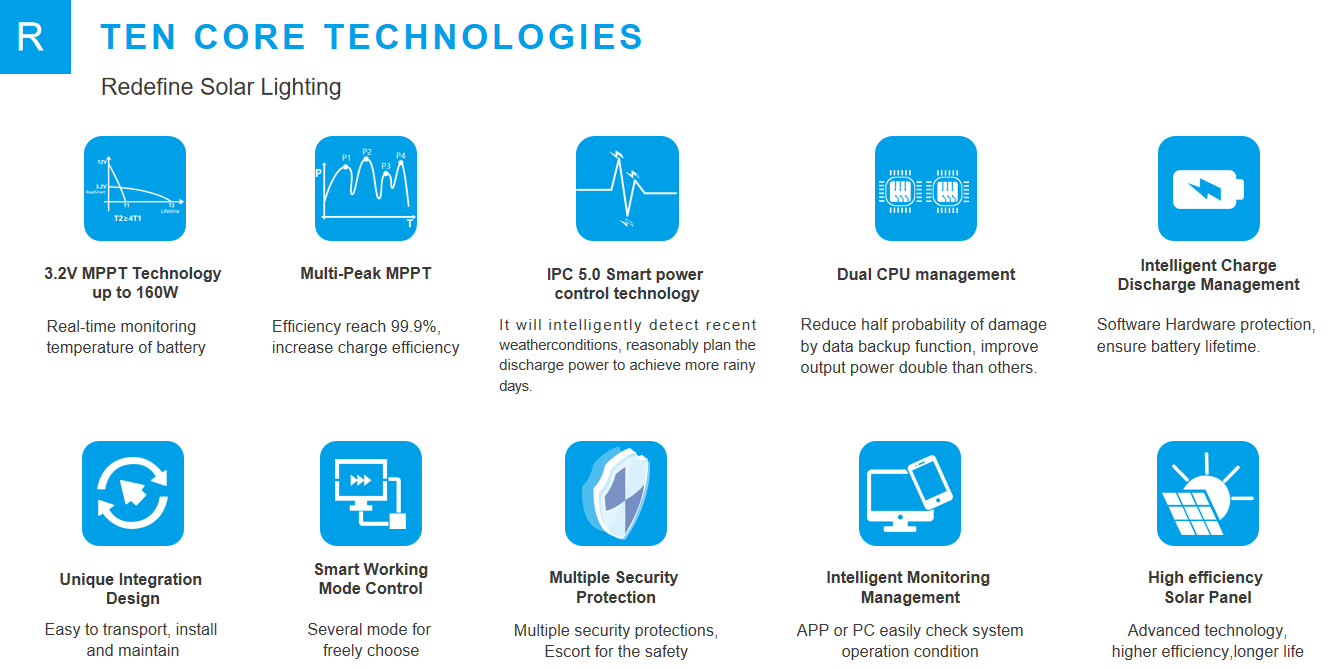
| Controller Technology | Charging method (MPPT vs PWM) | MPPT recommended | Maximizes energy conversion and battery efficiency | Advanced systems from Roadsmart Solar use MPPT for better performance |
| Working Time & Autonomy | Night lighting hours + backup days | 8–12 hours + 2–5 rainy days | Ensures continuous operation during bad weather | Always design for worst-case sunlight conditions |
| Installation Environment | Project location and conditions | Customized per application | Affects system configuration and durability | Coastal areas need anti-corrosion design; highways need higher brightness |
| Material & Build Quality | Housing, waterproof rating, durability | IP65–IP67, aluminum alloy structure | Determines lifespan and resistance to harsh environments | Choose anti-rust and heat-dissipating materials |
| Warranty & Support | Warranty period and after-sales service | 3–5 years minimum | Reduces long-term risk and maintenance costs | Reliable solar street light factory partners offer strong support |
| Cost & ROI | Initial cost vs long-term savings | Balance CAPEX and OPEX | Impacts project feasibility and profitability | Consider solar street light wholesale for bulk cost reduction |
| Customization Capability | OEM/ODM flexibility | Project-based customization | Important for large infrastructure projects | Choose suppliers that offer tailored solar street lighting solutions |

Solar Street Light Sizing Scheme
Proper sizing ensures optimal performance.
| Application | Pole Height | Wattage | Spacing |
|---|---|---|---|
| Residential Road | 5–6 m | 20–40 W | 20–25 m |
| Urban Street | 6–8 m | 40–60 W | 25–30 m |
| Highway | 8–12 m | 60–120 W | 30–40 m |
| Parking Lot | 6–10 m | 40–80 W | 25–35 m |
Correct sizing is essential for any solar panel street light project.
Quick Decision For Different Projects
| Project Type | Priority Factors |
|---|---|
| Highway Lighting | High lumens, strong battery, MPPT controller |
| Rural Roads | Cost efficiency, easy installation |
| Parking Lots | Uniform lighting, medium power |
| Industrial Areas | Durability, long lifespan, strong warranty |
Frequently Asked Questions
Q1. How long do solar street lights last?
A:Most systems last 5–10 years, depending on battery quality.
Q2. Are solar street lights worth it?
A:Yes, due to long-term energy savings and low maintenance costs.
Q3. How many hours can solar lights work?
A:Typically 8–12 hours per night, with backup for cloudy days.
Q4. What is the best battery for solar street lights?
A:LiFePO4 batteries are currently the best option due to long lifespan and stability.
Table of Contents