The Role of Highway Street Lights in Road Safety
Feb 17, 2026
Read:28
Source:
Properly designed highways street lighting systems significantly reduce accidents, improve driver confidence, and support long-term infrastructure sustainability.
Where Street Lights on Highways Are Typically Installed
Highway street lights are most commonly installed in areas where traffic complexity and safety risks are higher. These areas include urban expressways, interchanges, exit and entry ramps, toll plazas, bridges, tunnels, and sharp curves. In such locations, vehicles frequently change lanes, adjust speeds, or merge into traffic, making consistent highways street lighting essential. Proper illumination in these zones helps drivers anticipate road conditions, recognize signage earlier, and navigate safely at high speeds.

Where Highways May Not Have Lighting
Not all highways are equipped with continuous lighting. Rural highways, low-traffic corridors, and remote areas often lack permanent street lights along the highway due to lower vehicle density or infrastructure limitations. Budget constraints and environmental regulations can also influence installation decisions. However, the adoption of highway solar street light systems is increasing in these regions, providing off-grid illumination without the need for costly electrical infrastructure.
Enhanced Nighttime Visibility
One of the primary safety functions of highway street lights is improving nighttime visibility. Proper illumination allows drivers to clearly see lane markings, road edges, obstacles, and surrounding vehicles. On high-speed highways, visibility directly affects braking distance and hazard recognition. Well-designed highways street lighting ensures consistent brightness across lanes, minimizing dark spots that could conceal potential dangers.

Reduction of Glare and Visual Fatigue
Modern highway street light systems are engineered to reduce glare and prevent driver eye strain. Advanced LED optics distribute light evenly and control beam direction, minimizing excessive brightness or uneven illumination. By reducing glare, street lights on highways help drivers maintain visual comfort during long-distance travel, decreasing fatigue and improving overall road safety.
Faster Reaction Time at High Speeds
Highway driving requires rapid decision-making. At speeds exceeding 100 km/h, even a fraction of a second can determine whether a driver avoids a collision. Properly spaced street lights along the highway enhance contrast between vehicles, pedestrians, and road surfaces, allowing hazards to be detected earlier. This improved visibility translates into faster reaction time and safer maneuvering.
Types of Highway Street Lights
There are two primary categories of highway street lights used in modern infrastructure projects: grid powered LED systems and solar powered systems. Each solution serves different environmental and operational needs depending on location, energy availability, and long-term cost considerations.
Grid-Powered LED Highway Street Light Systems
Grid-powered LED highway street light systems are connected directly to the electrical network. These systems provide stable and continuous illumination, making them ideal for urban highways and high-traffic areas. LED technology offers high luminous efficiency, long operational lifespan, and reduced maintenance compared to traditional sodium lamps. For cities and major transport corridors, grid-powered LED systems remain a widely adopted solution for highways street lighting.
All in One Highway Solar Street Light Systems
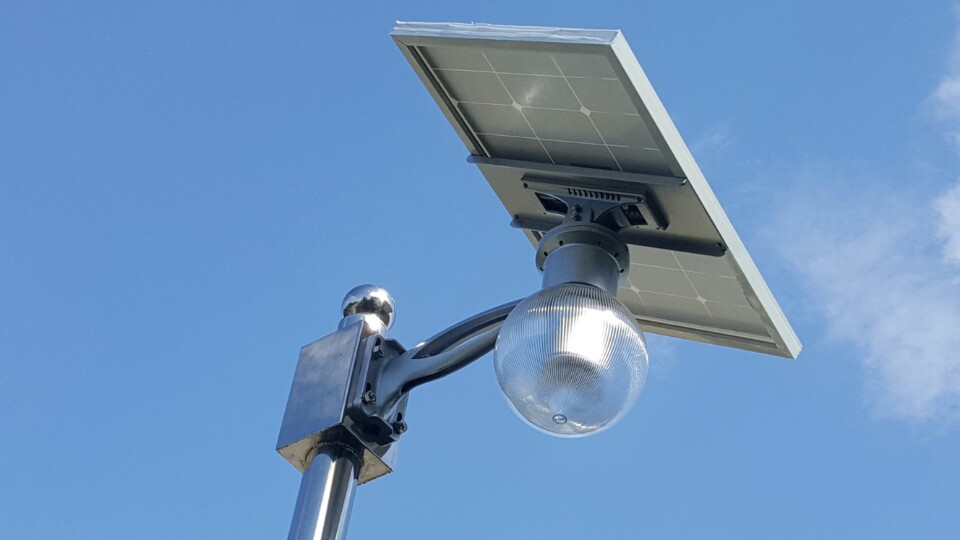
A highway solar street light operates independently from the power grid by using solar panels, lithium batteries, and integrated LED fixtures. During daylight hours, solar energy is stored in batteries and automatically powers the lights at night. Solar street light for highway applications are particularly effective in remote or rural regions where extending the electrical grid is impractical or expensive. These systems also support sustainable infrastructure development by reducing carbon emissions and energy costs.
Integrated Solar Street Light for Highway Projects
When choosing between LED and solar systems, the decision depends largely on location and infrastructure conditions. Grid-powered LED highway street lights are suitable for urban areas with established electrical networks and high traffic density. In contrast, solar powered street light for highway projects are better suited for remote highways, temporary roads, or regions prioritizing renewable energy solutions. Many governments now adopt hybrid strategies, combining both technologies across different sections of highway networks.

Design Standards for Highways Street Lighting
Effective highways street lighting must follow strict engineering standards to ensure safety and uniformity. Design considerations include lumen output, pole height, beam angle, uniformity ratio, and environmental resistance. Lighting design is typically based on traffic classification and road width to achieve optimal brightness without excessive glare.
Lumen Output Requirements
Highway street light fixtures typically range from 12,000 to 30,000 lumens, depending on mounting height and lane configuration. Higher poles require higher lumen output to maintain consistent ground illumination. Proper lumen selection ensures visibility while avoiding unnecessary energy consumption.
Spacing Between Street Lights on Highways
Spacing plays a crucial role in maintaining uniform illumination. Street lights on highways are commonly spaced between 30 and 50 meters apart, depending on pole height and optical distribution. Correct spacing prevents dark zones and overlapping glare, creating a balanced lighting environment that enhances driver confidence.
Smart Technology in Highway Street Lighting
Modern highway street lights increasingly incorporate smart technology such as motion sensors, remote monitoring, and adaptive dimming systems. These features allow operators to adjust brightness levels based on traffic flow, reduce energy consumption during low-demand periods, and detect maintenance issues in real time. For highway solar street light systems, intelligent controllers are essential for managing battery performance and extending operational lifespan.
Best LED Lighting Brands for Highway Street Lighting
Selecting reliable manufacturers is critical for long-term highway safety. The best LED lighting brands for highway street lighting prioritize high luminous efficiency, durable housing materials, advanced thermal management, and international certifications such as CE and IP66. High-quality components ensure stable performance in extreme weather conditions, reducing maintenance costs and improving system reliability over time.
Table of Contents